Time to Remember What Day of the Week It Is
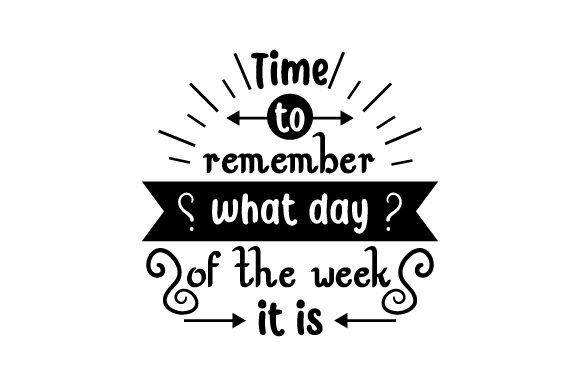
There is a specific energy that arrives with late summer. Stores restock notebooks and pencils, morning light shifts, and a familiar rhythm begins calling us back into routine. For creatives, entrepreneurs, and anyone juggling multiple projects, that transition also demands a visual refresh. Time to Remember What Day of the Week It is - Back to School captures that exact moment — the blend of nostalgia, fresh starts, and the gentle chaos of remembering which day brings which deadline. This typeface isn't just another font in your library. It carries a personality that feels both timely and timeless, making it a strong candidate for projects that need warmth, legibility, and a touch of playful sincerity.
Visually, this font leans into a handcrafted aesthetic. Its letterforms carry subtle irregularities that mimic natural handwriting — slight variations in stroke weight, gentle slopes, and open counters that keep each character readable even at smaller sizes. The overall style sits somewhere between a clean sans serif and a relaxed script, without fully committing to either category. That hybrid quality is precisely what gives it versatility. It can dress up a classroom poster or anchor a brand identity for a boutique children's shop without feeling forced. The personality is approachable, slightly whimsical, yet grounded enough for professional use. It does not scream for attention. Instead, it invites viewers to lean in and read.
A Typeface Built for Real Projects
When evaluating a premium font for your next project, the real question is where it can do its best work. Time to Remember What Day of the Week It is - Back to School excels in environments that benefit from a human touch. Editorial design, especially back-to-school campaigns, seasonal catalogs, and parenting magazines, gains an immediate warmth with this typeface. Headlines feel less rigid, pull quotes become conversational, and even body text carries a rhythm that keeps eyes moving down the page.
Packaging design is another natural home. Think of small-batch snack brands, eco-friendly school supplies, or craft kits marketed to parents who value authenticity. This font communicates care and intentionality. It suggests that someone actually wrote those labels by hand, even when printed at scale. Social media graphics, particularly those announcing seasonal sales, event reminders, or community workshops, also benefit from its friendly tone. When paired with a clean sans serif for supporting information, the contrast creates a clear visual hierarchy without jarring transitions. Viewers instinctively understand what to read first and what supports that message.
For branding and logo design, this typeface works especially well for businesses that want to feel local and personal. Tutoring services, creative studios, independent bookstores, and daycare centers can all leverage its approachable character. It avoids the sterility of corporate typography while maintaining enough polish to appear professional. A logo set entirely in this font reads as confident but not arrogant — a hard balance to strike in modern branding.
How Typography Shapes Perception
Readability is about more than legible letterforms. It is about how easily a message transfers from the page to the mind. Time to Remember What Day of the Week It is - Back to School supports that transfer by keeping its characters open and distinct. Ascenders and descenders are proportioned generously, which helps the eye track across lines without confusion. Even at smaller point sizes, the font retains clarity because the designer avoided overly compressed spacing or exaggerated flourishes that blur at scale. This makes it a reliable choice for worksheets, planners, and any printed material where quick comprehension matters.
Visual hierarchy also receives a natural boost from this typeface. Its innate variation in stroke thickness draws attention without relying on bold or italic styles alone. A single word set in the font can act as an anchor point on a page, guiding readers toward the most important information. When used in combination with a neutral serif font or a straightforward sans serif, the hierarchy emerges organically. The playful element leads; the structured element supports. This kind of pairing feels effortless to the audience, even though it requires careful selection on the designer's end.
Brand perception shifts subtly when typography carries personality. A business that uses this font signals that it values relationships over transactions. It tells customers that the human element matters. For service-based entrepreneurs — tutors, coaches, therapists, and small-shop owners — that perception builds trust before a single product is purchased. Consistency across materials reinforces that trust. When the same typeface appears on a website header, a printed brochure, and an Instagram story, the brand becomes recognizable in less time. Recognition drives engagement, and engagement grows loyalty.
Practical Guidance for Choosing and Using This Font
Selecting the right typeface for a project starts with understanding the audience and the medium. If your audience skews toward parents, educators, or young families, Time to Remember What Day of the Week It is - Back to School aligns naturally with their visual expectations. It echoes the handwritten notes, classroom decorations, and personal calendars that already populate their daily lives. For a more corporate or tech-focused audience, it may feel out of place unless deliberately used to soften a brand's image or introduce a human interest segment.
Testing font pairings is an essential step before committing to a final design. This font pairs well with geometric sans serifs that offer stability — think clean, rounded shapes without excessive personality. It also works alongside understated serifs that bring a touch of authority to longer text blocks. Avoid pairing it with another handwritten or script font, as the result can feel cluttered and reduce legibility. Instead, let this font be the voice and choose a quiet counterpart to carry the conversation. For example, use it for headings and subheadings, then switch to a simple sans serif for body paragraphs. The distinction signals a shift in importance without confusing the reader.
Included styles and formats matter when evaluating a commercial font. Ensure the package contains the weights and glyphs your project requires. If you plan to use the font in digital design, check for web-friendly formats and licensing terms that cover both personal and commercial use. Many premium fonts offer extended character sets that support multiple languages, which is valuable for publishers or brands with international reach. Reading the licensing agreement carefully prevents headaches later, especially if you intend to embed the font in apps, sell products with printed text, or use it across client projects. Transparent PNG files and vector formats like SVG and EPS can also be useful for crafting custom graphics, social media templates, or printed signage without needing to install the font in every environment.
Design Observations and Recommendations
From a practical standpoint, this font performs best when given room to breathe. Avoid crowding its letterforms with heavy borders, dense patterns, or competing textures. White space around headings and callout text lets the handwritten quality stand out. In digital contexts, consider warm background colors — soft cream, pale yellow, or muted peach — that reinforce the nostalgic back-to-school mood. Cool grays and stark white backgrounds can work, but they may diminish the warmth that makes the font distinctive.
For logo design, take advantage of the font's natural rhythm by letting it dictate the spacing rather than forcing tight kerning. Handwritten typefaces lose their charm when letters are compressed to fit a rigid grid. Allow the characters to sit where they want to sit, and the result will feel organic and intentional. This principle applies equally to editorial headers, product labels, and web headings. Trust the typeface to bring its own structure.
Seasonal campaigns, especially those tied to academic calendars, are an obvious but effective use case. A back-to-school sale announcement, a fall workshop schedule, or a newsletter introducing new learning resources all benefit from a font that telegraphs the season without relying on cliché imagery. The typeface itself does the work of setting the tone. Similarly, personal projects like family photo albums, milestone announcements, or holiday cards gain a handmade feel without requiring actual handwriting. It is a shortcut to authenticity that still looks polished.
Building Consistent Brand Identity
Professional consistency across marketing materials often comes down to disciplined typography choices. Once you integrate Time to Remember What Day of the Week It is - Back to School into a brand identity, stick with it across platforms. Use it for email headers, landing page titles, printed flyers, and product packaging. The repetition builds visual memory with your audience. Over time, they associate the friendly handwritten style with your specific message. That recognition is the foundation of brand loyalty, and it starts with a single typeface decision.
For content creators and publishers, this font offers a way to differentiate in a crowded media landscape. Blogs about parenting, education, organization, and creative living can use it to establish a consistent visual voice. It works just as well on a book cover as it does on a YouTube thumbnail. The key is to treat it as a signature element rather than a decorative afterthought. When readers see that lettering, they should immediately know who is speaking.
Ultimately, the value of any premium font comes down to how naturally it integrates into real workflows. Time to Remember What Day of the Week It is - Back to School earns its place by balancing warmth with utility, nostalgia with modern design needs, and personality with readability. Whether you are launching a seasonal campaign, refreshing a brand, or simply building a better newsletter, this typeface gives you a head start on connecting with people. And in a world full of digital noise, that connection is worth remembering.