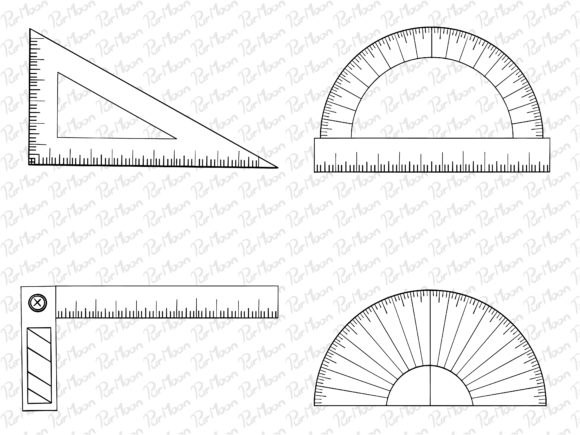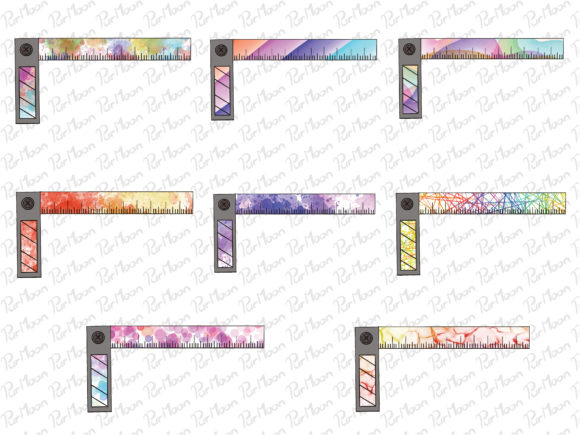
Back to School Ruler Clip Art Collection
What This Collection Offers and Why It Deserves a Place in Your Creative Workflow
A well-chosen visual asset can save hours of production time and elevate the quality of your deliverables. The Back to School Ruler Clip Art Collection is a curated set of ruler-themed graphics designed for versatile use across print, digital, and merchandise projects. Available in JPG, PNG (with transparent background), and EPS10 formats, the collection arrives in a single .zip file that you can adapt, rearrange, and combine into new designs. Whether you work in education, marketing, product design, or content publishing, having access to scalable, editable clip art gives you a foundation to build on quickly.
The ruler has long been a visual shorthand for measurement, structure, learning, and precision. When you use these graphics intentionally, they can reinforce your brand identity, clarify your message, or add a playful yet professional tone to your materials. This article explores how to incorporate the Back to School Ruler Clip Art Collection into your workflow, what to consider before you begin, and how to avoid the common pitfalls of using clip art without a clear strategy.
Strategic Value of a Themed Clip Art Collection
Clip art is often dismissed as generic or outdated, but when chosen with care and deployed with purpose, it becomes a strategic shortcut. The Back to School Ruler Clip Art Collection offers more than decoration. It provides a consistent visual language that can unify your projects across different media. For entrepreneurs and small business owners, consistency is a major factor in building brand recognition. Using the same ruler graphics on your website, social media posts, packaging, and printed materials creates a cohesive look that signals professionalism.
For educators and publishers, the collection supports learning objectives. Rulers naturally connect to topics like measurement, geometry, organization, and goal setting. A well-placed ruler graphic can visually anchor a lesson plan, a worksheet, or an educational poster without requiring custom illustration work. This frees you to focus on content quality rather than graphic production.
Marketers and content creators can use these graphics to communicate ideas like progress, scale, growth, or alignment. A ruler image can accompany blog posts about productivity, planning, or academic success. It can also serve as a metaphor in presentations, infographics, and social media graphics. The key is to treat the collection as a resource you can draw from deliberately, not as a random assortment of images to fill space.
Format Flexibility and What It Means for Your Projects
The inclusion of EPS10 files alongside JPG and PNG is one of the strongest features of this collection. EPS10 is a vector format that allows you to scale the graphics to any size without losing resolution. This means you can use the same ruler design on a small sticker and a large wall art print without quality degradation. For designers and small business owners, this reduces the need to recreate assets for different outputs.
The transparent PNG files are useful for digital compositing. You can layer ruler graphics onto backgrounds, photos, or other illustrations without dealing with white boxes around the edges. This is especially valuable for creators who produce content for social media, blog headers, or video thumbnails, where clean integration matters.
The white-background JPG files work well for print applications like greeting cards, invitations, and packaging, where you need a crisp, ready-to-use image. Having all three formats in one download means you can move quickly between digital and print workflows without additional conversion steps.
Practical Applications Across Different Use Cases
The Back to School Ruler Clip Art Collection is not limited to classroom settings. Its applications extend into several professional and creative domains. Below are specific scenarios where these graphics add tangible value.
Branding and Marketing Materials
If you run a tutoring service, an educational supply store, or a productivity coaching business, ruler graphics can become part of your visual identity. Use them on business cards, brochures, and thank-you cards. Place them on your website header or as repeating background elements. The ruler communicates structure and reliability, two qualities that resonate with clients seeking guidance or tools for improvement.
Consider a small business that sells planners or organizational tools. A ruler design on the product packaging reinforces the theme of measurement and order. It subtly tells the customer that your product is about precision and planning. The EPS10 vector allows you to resize the graphic to fit small labels or large boxes while maintaining crisp lines.
Content Creation and Digital Publishing
Bloggers and content creators often need visual elements that break up text and illustrate key points. A ruler graphic can serve as a bullet point marker, a section divider, or an accent image in a blog post about study habits, time management, or DIY projects. Because the PNG version supports transparency, you can place the ruler over a colored background or photo for a modern look.
In video production, ruler graphics can appear as lower thirds, transition elements, or thumbnail overlays. If you create educational videos or tutorials, adding a ruler icon can visually cue viewers that you are covering measurement, comparison, or structure. This kind of intentional visual cue improves comprehension and retention.
Print on Demand and Merchandise
For entrepreneurs using print-on-demand services, the collection opens up product possibilities. T-shirts, mugs, shopping bags, phone cases, and wall art can all feature ruler designs. Because you receive the files in a scalable vector format, you can adapt the artwork for different product dimensions without starting from scratch.
Wedding invitations and greeting cards are another avenue. A ruler graphic might seem unconventional for weddings, but it can work beautifully for events with a stationery, academic, or DIY theme. For example, a couple who met in architecture school or who both work as teachers might appreciate subtle ruler motifs integrated into their invitations or decorations. The same applies to birthday cards, graduation announcements, or thank-you notes. The collection gives you the flexibility to explore these niche uses without commissioning original art.
Educational and Training Materials
Educators can use the ruler clip art in worksheets, flashcards, classroom posters, and digital presentations. The ruler is a natural element in math and science lessons, but it also works in language arts for exercises about measurement, comparison, or descriptive writing. Having the collection in multiple formats means you can print high-resolution worksheets or project graphics on a smartboard without pixelation.
Training professionals and corporate educators can incorporate ruler graphics into slide decks and handouts when discussing metrics, benchmarks, or performance standards. The visual association with measurement supports the content without distracting from it.
Planning Your Use of Clip Art: Strategic Considerations
Before you open the zip file and start placing graphics into your projects, take a moment to consider your goals. Clip art used randomly can weaken your message. Used deliberately, it reinforces your intent.
Define the Role of the Graphic
Ask yourself what the ruler graphic is doing in each piece. Is it decorative, informative, or metaphorical? A decorative ruler might appear as a border element on a flyer. An informative ruler could illustrate a scale or measurement in an infographic. A metaphorical ruler might accompany a headline like “Measure Your Progress” or “Set Your Standards.” Each role requires a different placement, size, and color treatment.
If you cannot articulate the role of the graphic, consider leaving it out. Empty space is often more effective than an irrelevant image.
Maintain Visual Consistency
If you plan to use the ruler graphics across multiple pieces, decide on a consistent color palette, scale, and positioning. For branding, this consistency builds recognition. For content series, it creates a cohesive reader experience. The EPS10 vector files give you color control, so you can customize the rulers to match your brand guidelines.
Test Before Committing to Large Runs
If you are producing merchandise or printed materials, test the graphics at the intended size and substrate. A ruler image that looks sharp on screen may appear different when printed on a mug or a t-shirt. Use the JPG files for quick mockups and the EPS10 files for final production to ensure quality.
Risks of Using Clip Art Without Clear Goals
Even a high-quality collection can undermine your work if used carelessly. The most common risk is visual noise. When clip art appears without a clear relationship to the surrounding text or message, it distracts the audience. Viewers may focus on the graphic instead of the content, or they may perceive the material as unprofessional.
Another risk is overuse. Placing ruler graphics on every page or product can dilute their impact. Strategic use means selecting one or two placements where the graphic adds value, not covering every surface with it.
A third risk is misalignment with audience expectations. A ruler graphic may read as juvenile or academic depending on the context. If your target audience is corporate executives or luxury consumers, consider whether a ruler motif supports your positioning or contradicts it. The same graphic that works for a school supply store may feel out of place on a high-end wedding invitation unless carefully styled.
Mitigating these risks begins with clarity about your purpose. Before you download the collection, outline where and why you will use the graphics. This simple step prevents many of the pitfalls.
Practical Example: Using the Collection for a Product Launch
Imagine you are launching a line of study planners for college students. You need packaging, social media graphics, a landing page, and a promotional video. The Back to School Ruler Clip Art Collection can serve as a unifying visual element across all these touchpoints.
- On the packaging, use a ruler graphic as a subtle border or accent on the box and insert card.
- For social media, create quote cards with a ruler image as a background element, overlaid with tips about time management.
- On the landing page, use a ruler icon next to product features like “Measured for Success” or “Track Your Progress.”
- In the video, animate a ruler graphic as a progress bar or a section divider.
By planning the use of the collection in advance, you ensure that each appearance of the ruler feels intentional rather than arbitrary. The result is a cohesive campaign that communicates structure, reliability, and academic focus.
Long-Term Value of Investing in Reusable Assets
The Back to School Ruler Clip Art Collection is not a one-time resource. Because the files are scalable and editable, you can continue to use them in new projects over months and years. This makes the collection a cost-effective investment for anyone who regularly produces visual content.
For freelancers and small businesses, reusable assets reduce the time spent on graphic creation. Instead of hiring a designer for each new project, you can adapt existing files to fit new contexts. The EPS10 vector format supports color changes, rotations, and combinations, so you can generate variations without starting over.
For educators and publishers, the collection supports curriculum updates and seasonal materials. A set of ruler graphics used in a September back-to-school packet can be repurposed for a January measurement unit or a summer math review. The flexibility of the file formats ensures you can use them across semesters without degradation.
How to Approach the Collection With Intentionality
To get the most out of this clip art collection, treat it as a tool rather than a shortcut. Start by reviewing the full set of files. Note the styles, proportions, and details of each ruler graphic. Then, map out your project from beginning to end. Identify specific points where a ruler image would support your message or improve the user experience.
Next, choose the appropriate file format for each use. Reserve the EPS10 files for any application that requires scaling or editing. Use the PNG files for digital layering and the JPG files for print-ready placement. This workflow prevents quality issues and saves time.
Finally, resist the temptation to use the graphics in every possible location. Selective use communicates confidence and clarity. When a ruler graphic appears, it should feel like a deliberate choice, not a gap filler.
Decision-Making Guidance for Different Users
Entrepreneurs and small business owners: Focus on branding consistency. Choose one or two ruler designs and apply them across your primary touchpoints. Avoid mixing multiple styles that could dilute your identity.
Educators and trainers: Prioritize clarity. Use ruler graphics that directly relate to your lesson content. A ruler in a math worksheet is functional. A ruler in a history handout may need a clear thematic connection.
Content creators and bloggers: Emphasize relevance. Use ruler images that reinforce your post’s core idea. If you write about goal setting, a ruler graphic can visually anchor the concept of measurement.
Print-on-demand sellers: Test variations. Use the EPS10 files to adjust colors and sizes for different products. A design that works on a phone case may need composition changes for a tote bag.
By tailoring your approach to your specific role and audience, you transform a simple clip art collection into a strategic asset. The images themselves are neutral. Their value comes from how and why you use them.
Final Observations on Using Ruler Graphics Intentionally
The Back to School Ruler Clip Art Collection provides a practical foundation for projects that require measurement-themed visuals. Its multi-format delivery and scalable vector files make it a versatile choice for both digital and print applications. However, the effectiveness of any visual resource depends on the thought behind its use. Defining your goals, planning placement, and maintaining consistency will help you avoid common mistakes and produce work that feels cohesive and purposeful.
Whether you are designing a product line, preparing classroom materials, or creating content for an online audience, the same principles apply. Know what you want the graphic to achieve. Choose the format that supports your output. Use the graphic sparingly and strategically. When you follow these practices, a simple collection of ruler clip art becomes a tool that supports better communication, stronger branding, and more efficient workflows.