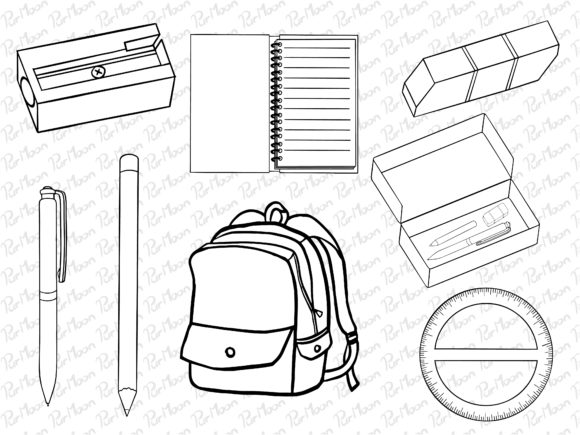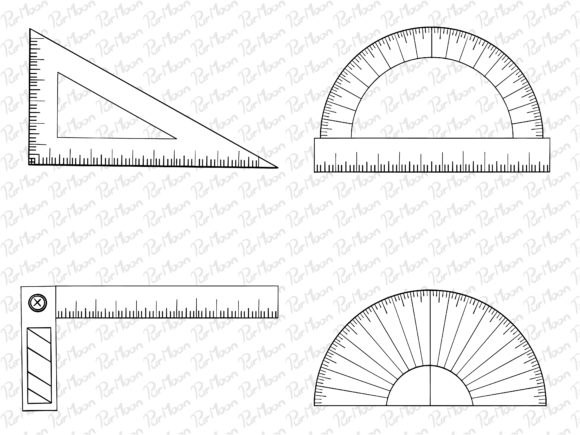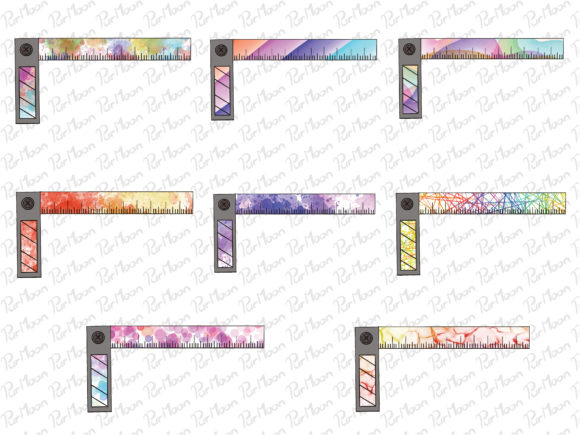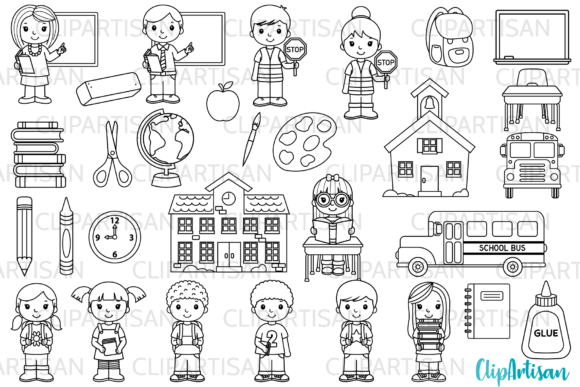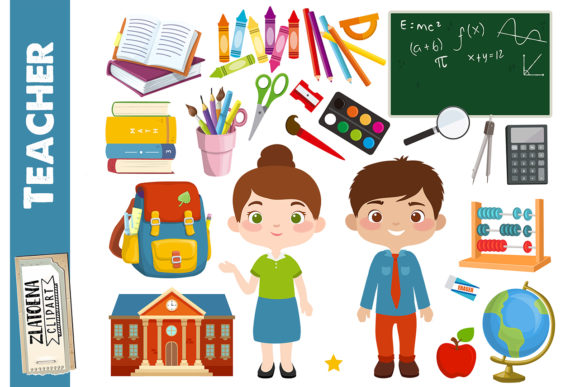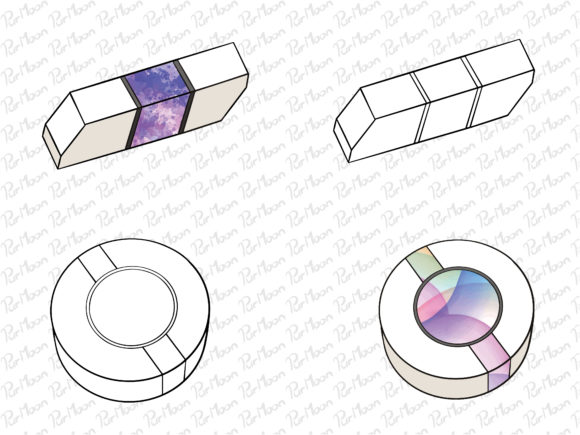
Erase Back to School Clip Art Collection
Planning a project around the back-to-school season often means juggling tight deadlines, multiple platforms, and a clear need for visual consistency. Whether you are designing marketing materials for a small business, creating classroom resources for educators, or preparing a personal batch of greeting cards, the artwork you choose sets the tone for everything that follows. The Erase Back to School Clip Art Collection offers a practical foundation for anyone who needs polished, ready-to-use visuals without starting from scratch. This collection provides more than just decorative images; it functions as a modular asset library that fits into existing workflows, supports multiple output formats, and adapts to both digital and print applications.
Understanding what this collection includes and how it integrates into your process can save time, reduce friction, and help you produce consistent results across projects. Below, we explore the practical details of using this clip art set, from preparation and file management to real-world application across different media and use cases.
What the Erase Back to School Clip Art Collection Delivers
At its core, this collection is a curated set of vector and raster graphics built around the back-to-school theme. You receive the files in a compressed .zip archive that contains three distinct file types: JPG files on a white background, PNG files with transparent backgrounds, and EPS10 vector files. This combination covers the vast majority of design needs, whether you are working in a professional layout application like Adobe InDesign or a simpler tool like Canva or Microsoft Word.
The EPS10 files are particularly valuable for anyone who needs to scale artwork without losing quality. Because vector graphics store mathematical paths rather than pixels, you can enlarge a single element to poster size or reduce it to a mobile screen without distortion. The transparent PNG files give you immediate drop-in compatibility with most digital tools, while the white-background JPGs work well for quick mock-ups or email drafts. Having all three formats in a single download means you can move through ideation, production, and final output without converting files or hunting for missing assets.
Where This Collection Fits in a Workflow
Projects rarely follow a straight line from start to finish, but the Erase Back to School Clip Art Collection can support multiple stages of a typical creative or production workflow. During the planning and brainstorming phase, you can drop PNG elements onto a mood board or sketch layout to test composition and color balance. The transparent background makes it easy to layer images without wrestling with white edges or awkward cropping.
In the execution phase, these assets serve as building blocks. If you are preparing a series of social media posts, for example, you can mix and match clip art elements across different templates to maintain a cohesive look. The EPS10 vector files allow you to recolor objects to match a brand palette or seasonal theme, which is especially useful when you need to produce multiple variations of the same design. Because the artwork is provided in a reusable format, you are not limited to a single static image; you can extract individual components, rearrange them, and combine them with other resources.
After the main deliverables are complete, the collection remains useful for follow-up materials. A teacher who creates a welcome packet for students using these graphics can later use the same files for bulletin board decorations, homework stickers, or a classroom newsletter. A small business owner who designs a limited run of back-to-school mugs can reuse the artwork for shopping bags, wall art in the store, or promotional flyers. The collection does not expire after one use; it becomes part of your personal or professional asset library.
Practical Implementation Tips
Getting the most out of this clip art set requires a bit of upfront organization. When you unzip the archive, take a few minutes to sort the files by type or theme. Create folders for JPG, PNG, and EPS10 so you can locate the right format quickly. If you work across multiple devices or with a team, store the files on a shared drive or cloud platform so everyone can access the same source materials.
Because the EPS10 files are vector-based, you will need software that supports the format, such as Adobe Illustrator, CorelDRAW, Affinity Designer, or Inkscape. If you are working in a raster-only application like Photoshop, GIMP, or a simple photo editor, the PNG files will be your primary choice. The white-background JPGs work well for quick test prints or as placeholders in layout drafts. Matching the right file type to the task prevents frustration and keeps your workflow moving.
When using the transparent PNG files for digital projects, pay attention to resolution. While these files are suitable for most on-screen uses, you may need to check the pixel dimensions if you plan to display them on large monitors or projection screens. For print applications, always use the EPS10 vector files or high-resolution versions to maintain crisp lines and smooth curves. Test a small sample before committing to a full production run, especially if you are printing on unfamiliar materials like mugs or phone boxes.
Use Cases Across Different Media
The Erase Back to School Clip Art Collection supports a wide range of physical and digital products. Below are common applications where the included formats shine:
- Greeting cards and invitations: Use EPS10 files to scale the artwork to card dimensions without pixelation. Combine multiple elements to create unique front cover designs, then use PNG files with transparent backgrounds for inside messages or envelope decorations.
- Mugs and drinkware: Vector files allow precise sizing for cylindrical surfaces. Work with a print shop or sublimation software that accepts EPS10 or convert to a high-resolution PNG for direct printing.
- Shopping bags and tote bags: Large-format prints require clean lines. Vector graphics ensure the artwork remains sharp even when scaled to bag dimensions. Transparent PNG files work well for one-color designs on colored bags.
- Wall art and posters: Because EPS10 files are resolution-independent, you can print at any size from a small framed print to a large classroom poster without quality loss.
- Phone boxes and technology accessories: Small surface areas demand precise alignment. Use the EPS10 files to edit specific elements and remove or reposition details to fit a compact canvas.
- T-shirts and apparel: Screen printing often requires separate color layers. Vector files make it easy to separate colors and prepare production-ready artwork. PNG files with transparent backgrounds are useful for direct-to-garment printing.
- Stickers and labels: Both digital and die-cut sticker production benefit from transparent PNG files. For kiss-cut or contour-cut stickers, the vector paths in EPS10 can be used to create cut lines with minimal adjustment.
- Wedding invitations and stationery: Even outside the back-to-school season, the clip art elements can be repurposed for autumn-themed stationery, apple-themed decor, or classroom-style motifs for a teacher wedding or event.
- Decorations and party supplies: Banners, garlands, cupcake toppers, and table signs can all be produced using the same source files. Having multiple formats means you can mix print methods without reworking the artwork.
Compatibility and Ecosystem Integration
No asset exists in a vacuum. The Erase Back to School Clip Art Collection interacts with the tools and platforms you already use. If you rely on template-based design software like Canva, the PNG files with transparent backgrounds can be uploaded as custom elements and reused across projects. For users of Adobe Creative Cloud, the EPS10 files import directly into Illustrator, where you can edit paths, apply new colors, and export to any format needed.
If you work in print-on-demand, the collection simplifies the transition from concept to product. Many print-on-demand platforms accept PNG uploads for front-facing product images, while vector files are better for technical specifications. Having both means you can test designs quickly with PNG mock-ups and then supply EPS10 files to the printer for final production. The same logic applies to self-publishing: an author creating a back-to-school activity book can use transparent PNGs for digital previews and vector files for the final print-ready PDF.
For educators and content creators, the collection integrates well with learning management systems, classroom presentation software, and worksheet creation tools. PNG files can be inserted directly into Google Slides, PowerPoint, or Keynote presentations. The white-background JPGs are convenient for quick uploads to platforms that do not support transparency, such as some email clients or older school publishing tools.
Maintaining Consistency Across Projects
One advantage of using a unified clip art collection is the visual consistency it provides. When all your back-to-school materials draw from the same set of graphics, your audience sees a coherent theme rather than a patchwork of styles. This is especially important for small business owners running seasonal promotions or for schools producing multiple communication pieces like newsletters, flyers, and social media posts.
To maintain consistency, establish a simple workflow for how you handle the files. Decide early whether you will edit vector files to create a custom color palette or use the artwork as-is. Keep a master folder with the original .zip download and work from copies so you always have an unaltered reference. If you modify an EPS10 file, save a version with your changes and note what you adjusted. Over time, you can build a derivative library that extends the original collection while preserving the base assets.
Quality control also benefits from the layered file structure. Before final output, test a single element in your target format. Print a draft on plain paper if you are producing physical goods, or view a PNG at actual size on the screen you expect your audience to use. Small adjustments to scale or color at this stage prevent waste and rework later.
Long-Term Use and Reusability
Clip art collections like this one are not single-use purchases. The EPS10 vector files, in particular, are designed for long-term utility. You can open them years later, update colors to match new branding, or combine them with other vector assets. The transparent PNG files serve as evergreen resources for digital projects, and the white-background JPGs remain useful for quick references or informal communications.
If you manage a creative team, consider adding this collection to a shared asset library with naming conventions and metadata tags. This makes it searchable and accessible for future projects beyond the immediate back-to-school season. The modular nature of the artwork means you can pull individual elements for use in unrelated projects where the school theme fits, such as educational content, children's products, or nostalgic designs.
Because the files are provided in a .zip archive, they are easy to store, transfer, and back up. Archive the original download in two locations—such as your computer and a cloud service—to guard against accidental deletion. When you need the artwork again, you can access the exact files without relying on a third-party server or an active internet connection.
Final Observations on Integration
The Erase Back to School Clip Art Collection succeeds because it meets creators where they already are. It does not require specialized knowledge to open or use, yet it provides enough depth for advanced users who want to customize every detail. The range of formats supports both rapid prototyping and high-quality production, making it suitable for anyone from a hobbyist printing stickers at home to a professional preparing a full retail launch.
When you integrate this collection into your workflow, focus on the formats that align with your primary tools first. If you spend most of your time in vector editing software, start with the EPS10 files. If you work in web design or social media content, the transparent PNG files will become your go-to. Let the other formats serve as backups or as bridges when you collaborate with someone using different software. By matching the right file to the right stage of your process, you reduce friction and produce better results faster.
The back-to-school season will return every year, and the materials you create now can be refreshed, repurposed, or expanded with the same core assets. Owning a flexible collection means you are not starting from zero each time. You build on what already works, and you can focus your energy on the creative decisions that actually matter to your audience.