Flat Illustration Back to School Design Graphic: A Smart Asset for Modern Creative Projects
When the back-to-school season approaches, designers, marketers, and business owners alike scramble to produce fresh, engaging visuals. Whether you are crafting a landing page, building a presentation, or assembling promotional materials, the right graphic style can make all the difference. That is where the Flat Illustration Back to School design graphic steps in. With its clean lines, vibrant colors, and scalable vector structure, this asset has become a go-to choice for countless creative workflows. But beyond its aesthetic appeal, what really makes this type of illustration so valuable? And how can you use it to elevate your next project?
Let us walk through the important qualities, practical uses, and strategic advantages of incorporating a Flat Illustration Back To School Design Graphic into your toolkit. Whether you are a seasoned designer or someone just starting to build visual content, there is plenty here to consider.
What Defines a Flat Illustration Back to School Design Graphic?
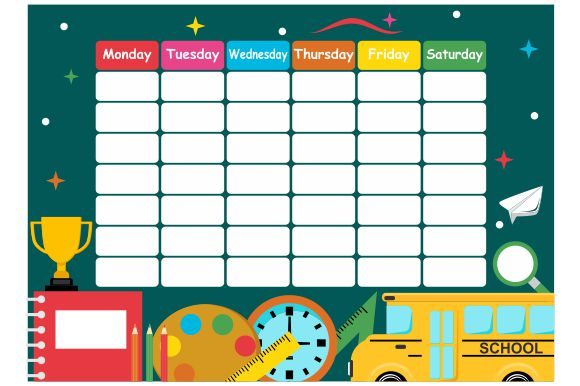
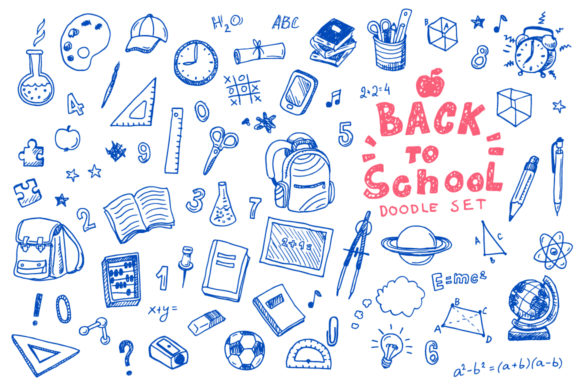
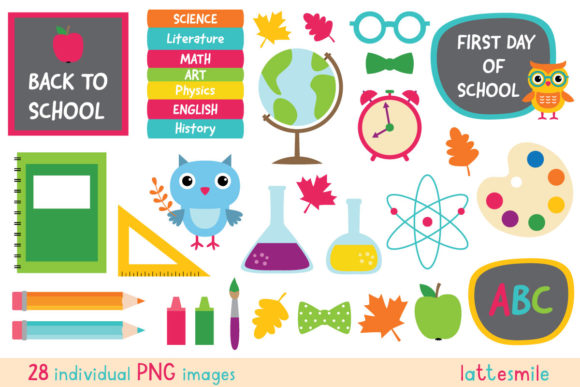
Flat illustration is not a new trend, but it has certainly cemented itself as a staple in modern design. The style strips away gradients, shadows, and excessive detail in favor of bold shapes and clear silhouettes. A Flat Illustration Back to School graphic typically features icons and scenes related to education—think books, pencils, school buses, globes, desks, and cheerful students—all rendered in a clean, two-dimensional aesthetic.
What sets a Flat Illustration Back To School Design Graphic apart from generic clip art is its purpose-built nature. Every element is crafted to communicate a specific mood: optimism, learning, readiness, and community. The colors tend to be warm and inviting, often drawing from classic school palettes like deep yellows, navy blues, soft greens, and bright reds. The compositions are balanced, making them easy to place into a layout without clashing with other visual elements.
One of the most critical characteristics is scalability. Because the file is built using vector paths, it remains crisp and clear at any size. Whether you need a tiny icon for a mobile screen or a full-width banner for a trade show display, the graphic will not pixelate or lose quality. That alone is a massive advantage over raster images.
Why This Style Works So Well for Landing Pages and Marketing
Landing pages are all about first impressions. Visitors decide within seconds whether to stay or bounce. A Flat Illustration Back to School design helps capture attention without overwhelming the viewer. The simplicity of flat graphics reduces cognitive load, allowing the message—not the decoration—to take center stage.
Consider a business that sells educational supplies or tutoring services. A landing page featuring a flat illustration of a student reading or a classroom scene instantly conveys relevance. It signals to the visitor: "You are in the right place." The visual cues are universal and immediately understood, regardless of the viewer's age or background.
Moreover, flat illustrations load quickly compared to heavy photographs or complex 3D renders. This matters for both user experience and SEO. Search engines factor page speed into rankings, and a Flat Illustration Back To School Design Graphic helps keep file sizes manageable while still delivering visual impact.
For marketing campaigns, these graphics are also incredibly versatile. You can extract individual elements—like a single pencil or backpack—and use them as standalone icons. Or you can use the full composition as a hero image. Because the files come in multiple formats, you can adapt them for email newsletters, social media posts, print flyers, and even video thumbnails without rework.
Practical Example: A Tutoring Center Launch
Imagine a tutoring center launching a new after-school program. Their landing page uses a Flat Illustration Back to School scene at the top: a teacher assisting two students at a desk, with a chalkboard in the background. Below that, call-to-action buttons are placed cleanly beside icons of books and graduation caps. The illustration reinforces the brand's focus on education, while the flat style keeps the page looking modern and friendly. The visitor does not need to read much to understand what the business offers—the visual does the heavy lifting.
How the Vector Files Support Professional Workflows
One of the most practical benefits of a Flat Illustration Back To School Design Graphic lies in the file structure itself. The product includes vector files in .AI (Adobe Illustrator CS4 or later), .EPS Version 10, and .SVG Version 1.1. These are industry-standard formats that work seamlessly with professional design software.
Because the illustrations are completely openable and editable, you are not stuck with a static image. You can:
- Change colors to match your brand palette.
- Resize individual elements without distortion.
- Rearrange components to create custom compositions.
- Combine elements from different illustrations within the same set.
- Add text, shapes, or effects on top of the artwork.
This level of control is essential for designers who need to produce cohesive campaigns across multiple channels. You can take one base illustration and generate dozens of variations—altering the background color for different landing pages, adjusting the scale for business cards, or removing certain elements for infographics. The possibilities are extensive.
For those who prefer working in raster-based programs, raster images are also provided as .JPG with a white background and .PNG at CMYK 300dpi. The high resolution ensures print-ready quality for brochures, posters, and proposals. The CMYK color space is critical for accurate color reproduction in print, so having that option saves you from color-shift headaches later.
Who Benefits Most from These File Options?
Freelance designers often juggle multiple clients with different software preferences. Having an .AI file, an .EPS, and an .SVG means you can collaborate with anyone, whether they use Illustrator, Corel Draw, Affinity Designer, or even free vector tools like Inkscape. Similarly, marketing teams that work across print and digital simultaneously will appreciate having both vector and raster formats ready to go.
Business owners who do not have deep design experience can also benefit. With an editable vector file, you can ask a designer for minor tweaks without paying for a full custom illustration from scratch. You can also hand the file to a print shop without worrying about compatibility issues.
Using Flat Illustration Back to School Graphics in Presentations and Proposals
Presentations and proposals need to communicate ideas quickly and memorably. Text-heavy slides often lose the audience's attention, but a well-placed visual can anchor a key point. A Flat Illustration Back to School Design Graphic works beautifully in this context because it adds personality without looking unprofessional.
For instance, a proposal for a school district technology upgrade could include an illustration of a student using a tablet at a desk. This visual normalizes the concept and helps the audience picture the outcome. In a business presentation about corporate training programs, a flat illustration of a graduation cap or a classroom scene signals growth and learning.
The consistency of the flat style also matters. Slides that mix photographs, 3D renders, and different illustration styles can feel disjointed. Using a unified Flat Illustration Back to School set across your entire deck creates a polished, cohesive look. It tells the audience that you have thought through the details.
Infographics are another natural fit. The clean shapes and clear hierarchies in flat illustrations make data easier to digest. You can use elements like books stacked as bars on a chart, or a school bus representing a percentage of students. Because the vector files are editable, you can adjust the scale or orientation of each element to fit the data story you are telling.
Key Considerations Before Choosing a Flat Illustration Set
Not all flat illustration sets are created equal. Before you commit to a Flat Illustration Back To School Design Graphic, there are a few factors worth evaluating to ensure it aligns with your specific needs.
- Style consistency across elements: Check that the line weights, color saturation, and level of detail are uniform across all the illustrations in the set. Inconsistencies become obvious when elements are used together.
- Diversity and representation: Look for illustrations that depict a range of students, teachers, and classroom scenarios. Inclusive visuals resonate better with broader audiences and feel more authentic.
- Editability of the vector file: Open the file and inspect the layers. Well-organized files with named layers and grouped components are far easier to work with than messy, ungrouped paths.
- Color palette flexibility: While you can always recolor a vector, starting with a palette that is close to your brand colors reduces the amount of manual adjustment needed.
- File format availability: Confirm that the set includes the formats you actually need. If you work exclusively in SVG for web use, having an .AI file alone might not be ideal.
- License terms: Understand how you are allowed to use the illustrations. Some sets restrict use in merchandise or require attribution. For commercial projects, a royalty-free license with broad permissions is usually preferred.
Taking the time to review these points upfront can save you from frustration later, especially if you are working under a tight deadline.
Integrating Flat Illustration Back to School Graphics into Business and Promotion
Businesses in the education sector are the most obvious beneficiaries, but the applications extend far beyond that. Companies that produce children's products, office supplies, e-learning platforms, or family-oriented services can all leverage the positive associations of back-to-school imagery. The Flat Illustration Back to School style conveys a sense of growth, preparation, and fresh starts—qualities that resonate in many industries.
For promotional campaigns, consider using the graphics in:
- Email headers that announce sales or new offerings.
- Social media posts that mark the beginning of a season or program.
- Website banners that highlight back-to-school promotions.
- Print materials like flyers, posters, and direct mail pieces.
- Digital ads where fast loading times and clear visuals improve performance.
One underrated application is in internal communications. Companies often use flat illustrations to make onboarding documents, training manuals, or company newsletters more engaging. A Flat Illustration Back To School Design Graphic can lighten the tone of an otherwise dry memo, especially when the message relates to learning or professional development.
Another scenario is event promotion. Workshops, webinars, and courses all benefit from visuals that communicate education and participation. An illustration of a classroom or a group of learners immediately sets the right expectation for attendees.
Final Observations on Adopting This Design Asset
The best design assets are the ones you can actually use without friction. A Flat Illustration Back To School Design Graphic that arrives in multiple editable formats, with clean vector paths and thoughtful compositions, removes the most common barriers to creative execution. You do not need to start from scratch. You do not need to chase down the original designer for a different file type. You simply download, open, and adapt.
In a fast-paced project environment where deadlines are tight and budgets are finite, having a reliable set of visuals can make the difference between a rushed campaign and a polished one. The flat style, with its universal appeal and technical flexibility, continues to be a smart choice for anyone working in design, marketing, or business communication.
Whether you are preparing a proposal for a school district, building a landing page for an educational startup, or creating an infographic for a training program, consider reaching for a Flat Illustration Back To School Design Graphic as your foundation. It gives you a head start—and in the world of design, that is a welcome advantage.